I’ve been in the marketing game for over 17 years. I’ve seen a lot of changes, trends, and technological fads come and go. Read on to discover the latest trends that are shaping the industry and gain valuable insights on how to stay ahead of the curve and drive your business’s success.
During our November 80×20 learning slot, I talked about where he believe businesses should focus their efforts in 2025.
TLDR
The marketing landscape is rapidly evolving, driven by digital advancements, AI, and changing consumer expectations. To succeed in 2025, businesses must focus on data-driven personalisation, high-quality content, and strategic use of emerging technologies.
What are the key challenges facing businesses?
Increasing competition:
The B2B marketing landscape has become increasingly competitive. Businesses are facing tougher competition than ever before, not just within their own sector, but also from adjacent industries. Economic factors, such as increased business startups further contribute to this challenging environment.
Complex buyer journeys
Buyer behaviour has also evolved significantly. Today’s buyers are more informed and discerning, relying heavily on online research and reviews. The days of traditional marketing tactics like Yellow Pages ads are long gone. Instead, buyers expect personalised, multi-channel experiences tailored to their specific needs. Platforms like Spotify and Netflix have set the bar high, demonstrating the power of data-driven personalisation.
Evolving client expectations
The COVID-19 pandemic accelerated the adoption of digital technologies, forcing businesses to adapt to remote work and virtual sales. This shift has made data-driven decision-making even more critical. Companies can now leverage analytics tools to gain deeper insights into customer preferences and behaviour.
The top marketing trends for 2025
Account based marketing
What is Account Based Marketing? Account-Based Marketing (ABM) is a strategy focused on targeting specific accounts rather than a broad audience. This personalised approach involves tailoring marketing messages to the unique needs of each account. Basically, it’s getting really defined with the specific people you want to speak to.
Businesses will increasingly tailor their marketing messages to specific accounts, as seen in platforms like LinkedIn’s personalised feed. This means understanding your target audience and crafting content that directly addresses their needs. Whether it’s B2B marketing on LinkedIn or B2C marketing on Instagram, the goal is to provide relevant and valuable content.
By focusing on specific customer segments and their pain points, businesses can create more effective marketing campaigns. This involves developing content like case studies that highlight specific customer successes. Ultimately, the key to success is understanding your audience and delivering personalised content that meets their needs.
The use of AI
Artificial intelligence (AI) is rapidly evolving and becoming increasingly integrated into various aspects of our lives. While AI has the potential to revolutionise industries, it’s important to approach it with a critical eye.
AI tools like Salesforce Einstein can be valuable for tasks such as identifying high-value accounts and predicting customer behaviour. However, it’s essential to remember that AI is not a magic solution. It’s a tool that, when used effectively, can enhance human capabilities.
While AI can generate ideas and content, it lacks the creativity and nuance of human thought. Therefore, it’s crucial to combine AI-generated content with human expertise to ensure authenticity and relevance.
As AI continues to develop, it’s important to strike a balance between leveraging its capabilities and maintaining a human touch in our work.
Content marketing strategy
Content marketing will continue to be a crucial strategy in 2025. To stand out, businesses should focus on creating high-quality, informative content that positions their brand as an industry thought leader. Video content, in particular, is growing in popularity. Platforms like LinkedIn, with its short-form video feature, are becoming increasingly important for content distribution.
Ultimately, content is king. As informed consumers, we expect valuable and engaging content. To reach a wider audience, consider content syndication, which involves sharing your content across multiple channels. For example, you could turn a blog post into a LinkedIn newsletter or a short video for TikTok.
Data-driven optimisation
Data-driven optimisation will continue to be a critical component of successful marketing strategies in 2025. By leveraging analytics tools like Google Analytics, businesses can gain valuable insights into how their audience interacts with their content. This data can be used to make informed decisions about content strategy, social media, and email marketing.
By understanding user behaviour and preferences, businesses can tailor their marketing efforts to specific audience segments. This data-driven approach allows for more effective targeting and personalisation. As technology advances, the importance of data-driven optimisation will only continue to grow.
Social Media is going to become more segregated
The social media landscape is becoming increasingly fragmented. Platforms like X, Instagram, and TikTok are catering to specific niches and user demographics. This trend is driven by factors such as platform ownership changes (Elon musk hasn’t proven to be too popular with many X users, hence a mass exodus of people to the its alternative, Bluesky) and evolving user preferences.
As business owners and marketers, it’s crucial to understand this fragmentation and tailor your social media strategy accordingly. Rather than adopting a one-size-fits-all approach, focus on the platforms where your target audience is most active. Avoid spreading your resources too thin across multiple platforms. Instead, prioritise the channels that deliver the best results.
It’s also important to be mindful of emerging platforms and trends. Remember Clubhouse? While it’s tempting to jump on the latest bandwagon, it’s essential to evaluate the long-term potential of each platform.
Social selling
Social selling is about building relationships, not just selling products or services. It involves actively engaging with your target audience on social media platforms, sharing valuable content, and providing helpful advice.
By establishing trust and credibility, you can position yourself as a trusted advisor. When your audience is ready to make a purchase, they’re more likely to choose you because they know and trust you. Social selling is a powerful tool for generating leads and driving sales in today’s digital age.
Social listening
Social listening is a valuable tool for understanding your audience and identifying opportunities. By monitoring social media conversations, you can gain insights into their needs, preferences, and pain points. This information can help you create more relevant and effective content.
Whether it’s understanding customer needs, gathering feedback, or tracking brand sentiment, social listening helps you make data-driven decisions and enhance your overall performance.
Major brands like Aldi and Oatly are great at social listening, but they do have teams on it, so start small and work on ‘mentions’ to begin with.
Did you know the drinks brand, Prime, was based on social listening? According to 42signals, celebrity founders Logan Paul and KSI used their extensive YouTube followings to understand what their fans wanted, and then they went out and manufacturing a product that became a global phenomenon.
Personal branding
Personal branding is more than just a buzzword. It’s about building a strong personal identity and reputation. In both B2B and B2C environments, people often buy from people they know and trust. By sharing your expertise and personality on social media, you can build relationships with your target audience.
Remember to be authentic and genuine. Share your thoughts, experiences, and interests. While it’s important to promote your professional side, don’t be afraid to show your personality.
Email marketing
Personalised email marketing will continue to be a major trend in 2025. By tailoring email content to individual preferences, businesses can improve engagement and drive conversions.
Building an organic email list is crucial for effective email marketing. Avoid purchasing email lists, as they often lead to low engagement and spam complaints. Instead, focus on building relationships with your audience and offering valuable content.
To nurture leads and drive conversions, implement automated workflows using tools like HubSpot. Automation can help streamline your email campaigns and improve efficiency. For example, you can set up automated email sequences to follow up with leads at specific intervals or send personalised birthday greetings.
And finally, a useful tool.
To help businesses navigate these trends, you can use the SOLAR 7 framework – a comprehensive model for achieving marketing success.

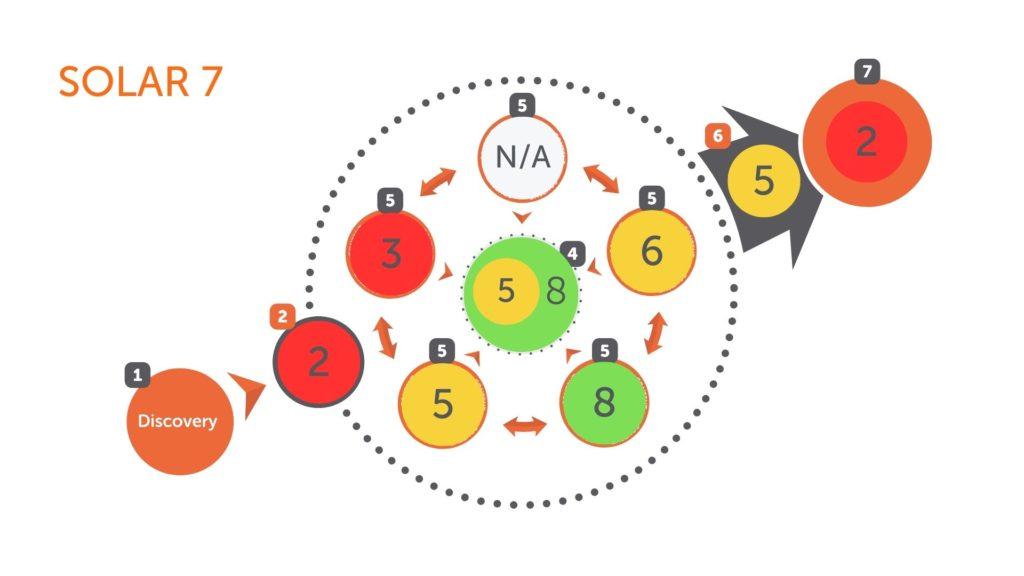
This model covers seven key stages, from discovery and strategy to brand, content, and review.
1. Discovery:
- Understand your business goals, target audience, and competitive landscape.
- Conduct a thorough analysis of your current marketing efforts.
2. Strategy:
- Develop a comprehensive marketing strategy aligned with your business objectives.
- Set clear goals and KPIs to measure success.
3. Brand and Content:
- Establish a strong brand identity and messaging.
- Create high-quality content that resonates with your target audience.
4. Website:
- Build a user-friendly website that drives traffic and conversions.
- Optimise your website for search engines and mobile devices.
5. Traffic Generation:
- Implement effective SEO, PPC, and social media marketing strategies.
- Use email marketing to nurture leads and drive sales.
6. Review and Measure:
- Track key performance indicators (KPIs) to measure the effectiveness of your marketing efforts.
- Use analytics tools to gain insights into customer behaviour and preferences.
7. Return on Investment (ROI):
- Calculate the ROI of your marketing campaigns to justify your budget.
- Continuously optimise your marketing strategies to improve ROI.
The version of the SOLAR 7 process with numbers overlayed on it (above) shows a hypothetical scenario of how you can score each of the stages. If you score each stage out of 10 (with 10 being extremely happy and 1 being extremely unhappy) you’ll immediately be able to gain a helicopter view of where your weaknesses are based on where the low numbers are.
Try using SOLAR 7 as an exercise on your business. It’ll help you identify where you should be focussing.
By following this framework, you can create a more effective and efficient marketing strategy. Remember, the key to success is to continually monitor and refine your approach based on data and insights.
In summary…
As we look ahead to 2025, it’s clear that the marketing landscape will continue to evolve rapidly. By staying ahead of the trends and adopting a strategic, customer-centric approach, businesses can position themselves for success in the years to come.
For more on our upcoming Bradford networking events, please visit our events page.